We don't list products or prices here — the right item depends on the person and the apartment. Here's an overview of what each category is for, and a few things worth thinking through before anything arrives.
Bathroom safety
Where most falls at home begin
Wet tile, a low seat and a high tub edge make the bathroom the room families worry about most — and a compact Manhattan bathroom leaves even less room to work with. A few well-chosen pieces can make bathing and using the toilet noticeably safer for the person you're caring for, and easier on whoever is helping.
We'll help you think through the layout before choosing anything: whether the tub or the shower stall is the bigger challenge, how much support is needed to sit down and stand back up, and whether a bedside option makes sense for the middle of the night.
Shower chairs and stools, with or without backs
Tub transfer benches that bridge the tub edge
Raised toilet seats and toilet safety frames
Bedside commodes for nighttime use
Handheld shower heads and non-slip bath mats
Bed & bedside
Rest, repositioning and the reach of a nightstand
When more of the day happens in bed, small details matter: something sturdy to hold while sitting up, a stable surface for water and medicine, and support that keeps pressure off the same few spots night after night.
If a hospital-style bed is on the table, we'll talk through the room first — door width, where the bed will sit relative to outlets and windows, and whether the building's delivery rules affect timing.
Bed rails and bed-assist handles
Overbed tables
Positioning wedges and pillows
Mattress overlays and waterproof protectors
Bedside urinals and bedpans
Getting around
Match the aid to the apartment, not just the person
Indoors
Steadier steps through a narrow hallway
A standard walker takes up more floor space than most prewar hallways allow. We'll ask about hallway width and turning space before suggesting a style, so the first one you try is usually one that works.
Outdoors
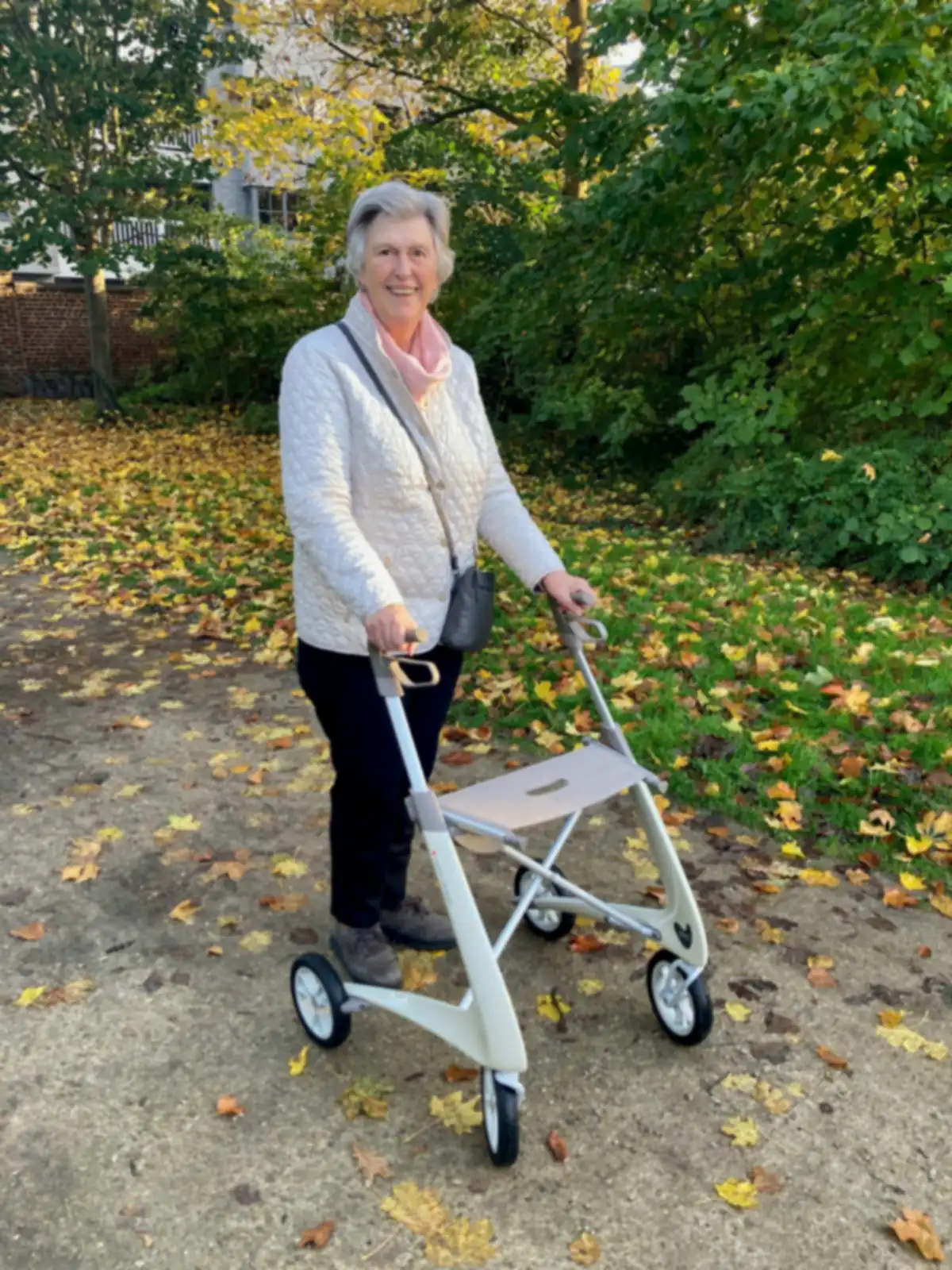
A good rollator should hold up on the sidewalk, too
Uneven curb cuts, subway grates and a short walk to the pharmacy put different demands on a mobility aid than a smooth apartment floor. We help you weigh indoor comfort against outdoor range before you decide.
Personal care
Comfort and dignity, handled discreetly
Incontinence is one of the most common parts of caregiving, and one of the least talked about. We keep the conversation practical and private, helping you find the right absorbency and fit so skin stays healthy and everyone sleeps a little better.
We can also help you think through a simple resupply rhythm, so a small apartment doesn't end up storing more than it needs to, and nobody runs out at an inconvenient moment.
Protective underwear and briefs
Pads, liners and booster pads
Disposable and washable underpads
Wipes, cleansers and no-rinse washes
Gloves for caregivers
Skin, daily living & recovery
The rest of the everyday list
Skin & wound care
Gauze, non-stick pads and dressings
Medical tapes and wraps
Barrier creams and skin protectants
Moisturizers for fragile skin
Daily-living aids
Reachers and grabbers
Sock aids and long shoehorns
Easy-grip utensils and cups
Pill organizers and pill cutters
Home monitoring
Upper-arm blood pressure monitors
Digital thermometers
Fingertip pulse oximeters
Simple logbooks for readings
Recovery comfort
Seat and wheelchair cushions
Hot and cold therapy packs
Elevated leg rests
Post-procedure dressing aids
Don't see what you need listed here? Ask anyway — if it's part of caring for someone at home, there's a good chance we can help you find it.
A quick reminderWe help you choose and use equipment and supplies, but we don't diagnose conditions or recommend treatment. Please follow the guidance of the clinician caring for your family member.
Have a list from the hospital or a doctor's office?
Send it our way. We'll go through it with you, category by category.